
Randevu Al
Randevu almak için tıklayınız.
Randevu OluşturInternal Medicine and Nephrology services are available at the healthcare facility listed below.
Diagnostic, treatment and clinical services may vary depending on the healthcare facility. For detailed information about our services, please contact us.
Early Diagnosis, Effective Treatment and Long-Term Follow-Up for Kidney Health
Internal Medicine and Nephrology focuses on the diagnosis, treatment and follow-up of kidney diseases, evaluation of kidney function, management of fluid and electrolyte disorders, and monitoring of complications associated with impaired kidney function.
The kidneys perform several essential functions that help maintain the body’s overall balance. They filter the blood and remove metabolic waste products, regulate fluid, electrolyte and acid-base balance, contribute to blood pressure regulation, support red blood cell production and play an important role in bone and mineral metabolism.
For this reason, impaired kidney function may affect not only the urinary system but also cardiovascular health, blood pressure, bone health, blood cell production and metabolic balance.
At the Internal Medicine and Nephrology Department of LÖSANTE Hospital, patients are evaluated for acute and chronic kidney diseases, chronic kidney disease is monitored over the long term, advanced kidney failure is managed, and renal replacement therapies are planned when necessary through a comprehensive and multidisciplinary approach.
Our primary goal is to preserve kidney function for as long as possible, manage risk factors that may contribute to disease progression, identify potential complications at an early stage and support patients’ quality of life.
Internal Medicine and Nephrology deals with a wide range of conditions affecting the kidneys’ filtration function, fluid and electrolyte balance, and blood pressure regulation.
Some kidney diseases may not cause noticeable symptoms, particularly during their early stages. Therefore, kidney health assessment is especially important for individuals with risk factors such as diabetes, hypertension, cardiovascular disease or a family history of kidney disease.
Chronic kidney disease (CKD) refers to abnormalities in kidney structure or function that persist over time and have implications for an individual’s health. The condition may cause no noticeable symptoms during its early stages.
As kidney function declines, symptoms such as fatigue, loss of appetite, nausea, itching, swelling, changes in urine output and elevated blood pressure may occur.
Early diagnosis of chronic kidney disease is important for identifying the underlying cause, managing factors that may contribute to disease progression and preventing or treating potential complications.
Acute kidney injury (AKI) is a sudden decline in kidney function that develops over a relatively short period of time. It may occur as a result of severe dehydration, infections, certain medications, circulatory problems, urinary tract obstruction or various systemic conditions.
Treatment is planned according to the underlying cause and the patient’s clinical condition. Early recognition and appropriate management are important for protecting kidney function and reducing the risk of complications.
Diabetes may affect the kidneys over time. When diabetic kidney disease develops, increased albumin levels in the urine and a decline in the kidneys’ filtration capacity may occur.
For people with diabetes, appropriate blood glucose and blood pressure management, together with regular assessment of kidney function and urinary albumin levels, plays an important role in protecting kidney health.
High blood pressure and kidney health have a two-way relationship. Long-term uncontrolled hypertension may damage the blood vessels within the kidneys and impair kidney function. At the same time, certain kidney diseases may cause hypertension or make existing high blood pressure more difficult to control.
An Internal Medicine and Nephrology evaluation may therefore be necessary, particularly in patients with resistant hypertension or impaired kidney function.
Glomeruli are microscopic structures within the kidneys responsible for filtering the blood. Diseases affecting the glomeruli may cause blood in the urine, protein loss in the urine, swelling, hypertension and impaired kidney function.
Depending on the suspected type of glomerular disease, further blood and urine tests, imaging studies and, when clinically indicated, a kidney biopsy may be performed.
Higher-than-normal levels of protein or albumin in the urine may be an early sign of certain kidney diseases. Assessment of proteinuria or albuminuria is particularly important in individuals with diabetes, hypertension or certain systemic diseases.
The amount and possible cause of protein loss are evaluated, and an appropriate treatment and follow-up plan is developed accordingly.
Nephrotic syndrome is a clinical condition characterized by significant protein loss in the urine, low blood protein levels and swelling or edema. It may develop as a result of different kidney diseases.
Treatment is planned according to the underlying cause, and regular medical follow-up may be required.
Recurrent kidney stone formation may be associated with metabolic, dietary or environmental factors. Assessment of calcium, uric acid and other urinary components may help identify possible causes, particularly in patients with recurrent kidney stones.
Following an Internal Medicine and Nephrology evaluation, individualized recommendations regarding nutrition, fluid intake and, when necessary, medical treatment may be provided to help reduce the risk of recurrence.
Maintaining the appropriate balance of electrolytes such as sodium, potassium, calcium and phosphorus is essential for normal body function. Abnormalities in these levels may affect several systems, ranging from muscle function to heart rhythm.
At the Internal Medicine and Nephrology Department, the underlying cause of electrolyte and acid-base disorders is investigated and an appropriate treatment and follow-up plan is developed.
Not all kidney cysts have the same clinical significance. Some cysts may require little or no specific follow-up, while conditions involving multiple cysts or hereditary kidney diseases may require regular medical monitoring.
Polycystic kidney disease (PKD) is a genetic disorder characterized by the development of multiple cysts in the kidneys and may affect kidney function over time.
Systemic diseases such as lupus, vasculitis and certain connective tissue disorders may affect the kidneys. In these conditions, kidney function and urinary findings may need to be closely monitored.
The Internal Medicine and Nephrology Department may work in collaboration with Rheumatology and other relevant specialties to provide a multidisciplinary approach to diagnosis and treatment.
When kidney function declines significantly, renal replacement therapy may become necessary. The most appropriate treatment is determined by considering the patient’s kidney function, overall clinical condition, accompanying diseases and individual needs.
Different dialysis methods may be used to support some of the functions that the kidneys can no longer perform adequately. These include:
The most appropriate dialysis method is determined following an individualized medical assessment.
For eligible patients, kidney transplantation may also be considered as a treatment option for kidney failure. Assessment of kidney transplant candidates and monitoring of kidney function following transplantation are also important areas of Internal Medicine and Nephrology care.
Kidney diseases do not always cause noticeable symptoms. However, medical evaluation may be recommended in the presence of:
A rapid change in previously stable kidney function or a significant reduction in urine output should be evaluated without unnecessary delay.
The diagnostic process begins with a detailed medical history and physical examination. Existing medical conditions, medications, blood pressure, fluid status and family history are taken into consideration.
Depending on the patient’s clinical needs, diagnostic evaluation may include:
Not every test is required for every patient. Diagnostic investigations are planned individually according to symptoms, examination findings and clinical requirements.
Kidney diseases are closely associated with several chronic and systemic conditions, including diabetes, hypertension, cardiovascular diseases, rheumatological disorders and metabolic conditions.
For this reason, the Internal Medicine and Nephrology Department evaluates not only kidney function but also the patient’s overall health from a comprehensive perspective.
When necessary, diagnosis and treatment are coordinated with Endocrinology, Cardiology, Rheumatology, Urology and other relevant medical specialties.
Identifying and managing individual risk factors plays an important role in maintaining kidney health. Appropriate management of diabetes and hypertension, healthy eating habits, individualized fluid intake and avoiding unnecessary or uncontrolled medication use can help support kidney function.
To protect your kidney health:
Certain pain-relieving medications may affect kidney health when used inappropriately or for prolonged periods. For this reason, medications should be used in accordance with medical recommendations, particularly in individuals with existing kidney disease or other risk factors.
At the LÖSANTE Hospital Internal Medicine and Nephrology Department, our primary goal is to identify kidney diseases at an early stage, evaluate factors that may contribute to kidney function loss, preserve existing kidney function whenever possible and plan appropriate long-term disease management.
From acute and chronic kidney diseases to kidney problems associated with diabetes and hypertension, proteinuria, electrolyte disorders and advanced kidney failure, patients are evaluated according to their individual clinical needs.
Through a patient-centered, evidence-based and multidisciplinary approach, the Internal Medicine and Nephrology Department aims to provide comprehensive care throughout the diagnosis, treatment and long-term follow-up of kidney diseases.
The LÖSANTE Medical Editorial Board has contributed to the development of this content. All content published on this website is provided for general informational purposes only. It should not be considered a substitute for individual medical evaluation, diagnosis, or treatment. Please consult a doctor for the evaluation, diagnosis, and treatment of your symptoms. If you have any questions regarding this content, please contact us at losante@losante.com.tr and include the title and URL of the relevant article or page.
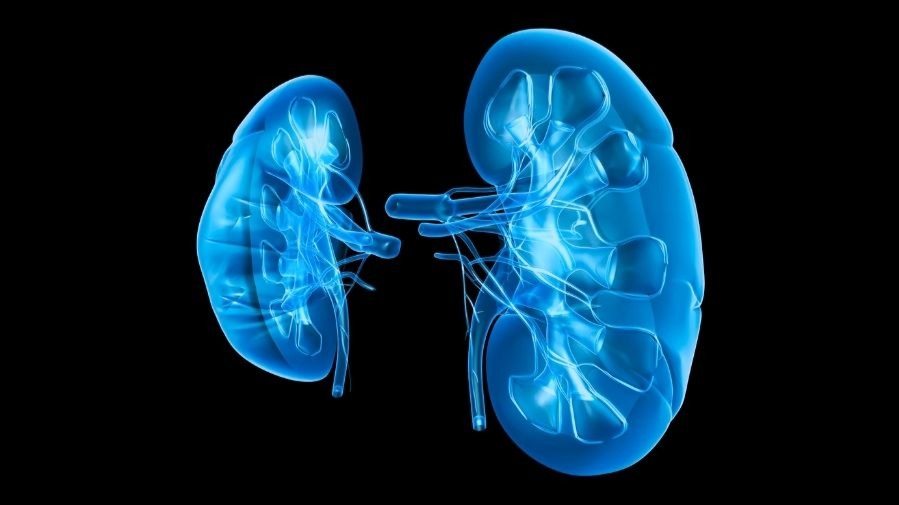
World Kidney Day, observed every year on the second Thursday of March, highlights the importance of kidney health and early detection of kidney disease. Learn about the functions of the kidneys, risk factors, symptoms of kidney disease, and practical steps you can take to protect your kidney health.
Detail