

Internal Medicine and Hematology
Randevu Al
Randevu almak için tıklayınız.
Randevu OluşturInternal Medicine and Hematology services are available at the healthcare facility listed below.
Diagnostic, treatment and clinical services may vary depending on the healthcare facility. For detailed information about our services, please contact us.
Contents
- Hematology
- Erythrocytes (Red Blood Cells)
- Leukocytes (White Blood Cells)
- Platelets
- Hematological Diseases
- Erythrocyte (Red Blood Cell) Disorders
- Leukocyte (White Blood Cell) Disorders
- Platelet and Coagulation Disorders
- Common Reasons for Referral to the Hematology Clinic
- Diagnostic Methods in Hematology
- Adult Bone Marrow Transplantation (BMT) Center
- Types of Stem Cell Transplantation
Hematology
Hematology is the branch of medicine concerned with blood and blood disorders. Blood can broadly be divided into two main components: blood cells and plasma.
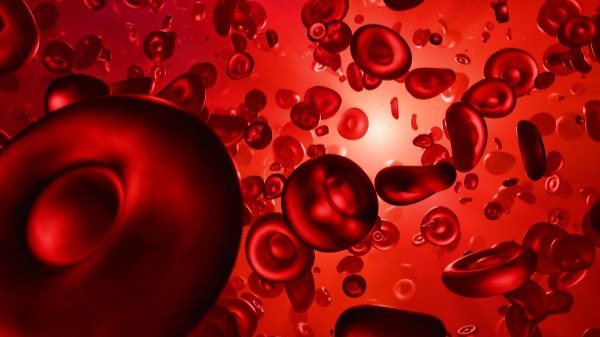
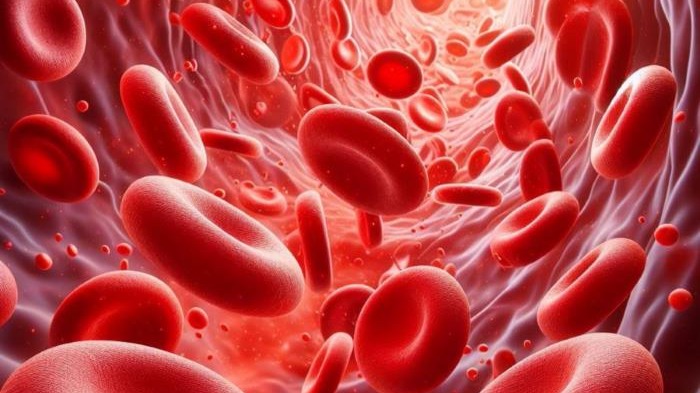
Blood plasma contains nutrients, proteins, water, minerals, salts, and components of the immune system. The main types of blood cells are erythrocytes (red blood cells), leukocytes (white blood cells), and platelets (thrombocytes).
Erythrocytes (Red Blood Cells)
The primary function of erythrocytes is to transport gases such as oxygen and carbon dioxide between the lungs and body tissues. This function is carried out by hemoglobin, the protein contained within red blood cells that also gives blood its characteristic red color.
Leukocytes (White Blood Cells)
Leukocytes are a group of cells with different structures and functions that can be identified under microscopic examination. Each type plays a specific role in protecting the body against foreign substances, including disease-causing microorganisms such as bacteria and viruses.
Platelets
The primary function of platelets is to protect the body against bleeding. Under normal conditions, platelets circulate freely in the bloodstream. When a blood vessel is damaged, platelets adhere to one another at the site of injury and interact with other clotting components, including fibrin, to form a blood clot and help control bleeding.
Hematological Diseases
Erythrocyte (Red Blood Cell) Disorders
- Anemias
- Hemoglobinopathies
- Blood banking and transfusion medicine
Leukocyte (White Blood Cell) Disorders
- Leukemias
- Acute myeloid leukemia (AML)
- Acute lymphoblastic leukemia (ALL)
- Chronic lymphocytic leukemia (CLL)
- Neutropenia
- Myeloproliferative neoplasms
- Chronic myeloid leukemia (CML)
- Polycythemia vera (PV)
- Myelofibrosis (MF)
- Essential thrombocythemia (ET)
- Myelodysplastic syndromes (MDS)
- Lymphomas and lymphoproliferative disorders
- Hodgkin lymphoma
- Non-Hodgkin lymphomas (NHL)
- Multiple myeloma (MM)
Platelet and Coagulation Disorders
- Bleeding and coagulation disorders
- Hemophilia
- von Willebrand disease
- Recurrent thrombosis
- Thrombocytopenia and thrombocytosis
Common Reasons for Referral to the Hematology Clinic
Patients may be referred to the Hematology Clinic due to a variety of symptoms and clinical findings, including:
- Anemia: Weakness, fatigue, easy fatigability, palpitations, shortness of breath, and chest pain
- Thrombocytopenia and coagulation factor deficiencies: Nosebleeds, gum bleeding, small red spots on the skin (petechiae), easy bruising, and prolonged menstrual bleeding
- Low white blood cell count: Fever and recurrent infections
- Lymphomas: Enlarged lymph nodes, fever, weight loss, and night sweats
- Acute leukemias: Fever, bleeding, and enlarged lymph nodes
- Chronic leukemias: Incidentally detected elevated white blood cell counts, enlarged spleen, and enlarged lymph nodes
- Multiple myeloma: Unexplained widespread bone pain and lower back pain
Diagnostic Methods in Hematology
A wide range of tests may be required for the diagnosis of hematological diseases. Common diagnostic methods include:
- Complete blood count (CBC) to measure blood cell counts and hemoglobin levels
- Hemoglobin electrophoresis to analyze hemoglobin subtypes
- Peripheral blood smear examination
- Bone marrow examination, including bone marrow aspiration and biopsy
- Measurement of iron, vitamin B12, and folic acid levels, which are essential for blood cell production
- Coagulation tests
- Tests evaluating the function and lifespan of blood cells
- Analysis of proteins produced by immune system cells
- Cytogenetic and molecular analysis of blood cells and bone marrow cells
- Radiological and imaging examinations
These diagnostic methods enable the accurate identification, classification, and monitoring of a wide range of hematological conditions.
Diagnostic and Treatment Services
At our hospital, diagnostic evaluation and treatment services are provided for a wide range of hematological diseases.
The evaluation and treatment of certain conditions may require hospitalization. Treatments such as intravenous medication administration and blood transfusions can also be provided on an outpatient basis at our dedicated Ambulatory Treatment Unit.
Adult Bone Marrow Transplantation (BMT) Center
Our Adult Bone Marrow Transplantation Center provides services with a 12-bed capacity, advanced medical and technological infrastructure, and an experienced multidisciplinary team.
The center is designed to provide comprehensive care for patients requiring bone marrow or hematopoietic stem cell transplantation.
Our facilities include tissue typing services, stem cell processing, cryopreservation and storage laboratories, as well as a therapeutic apheresis center, enabling us to offer modern and advanced treatment approaches to our patients.
Types of Stem Cell Transplantation
The following types of hematopoietic stem cell transplantation are performed at our center:
- Allogeneic transplantation: Stem cells obtained from a donor
- Autologous transplantation: The patient's own stem cells are collected and used for transplantation
- Haploidentical transplantation: Stem cells obtained from a partially matched donor, typically a family member
- Matched Unrelated Donor (MUD) transplantation: Stem cells obtained from a compatible unrelated donor
- Cord blood transplantation: Stem cells obtained from umbilical cord blood
The LÖSANTE Medical Editorial Board has contributed to the development of this content. All content published on this website is provided for general informational purposes only. It should not be considered a substitute for individual medical evaluation, diagnosis, or treatment. Please consult a doctor for the evaluation, diagnosis, and treatment of your symptoms. If you have any questions regarding this content, please contact us at losante@losante.com.tr and include the title and URL of the relevant article or page.

Blog
What Is Acute Lymphoblastic Leukemia (ALL)? Symptoms, Diagnosis and Treatment
Acute lymphoblastic leukemia (ALL) is a blood cancer caused by the uncontrolled growth of immature lymphoblast cells in the bone marrow. Learn about ALL symptoms, diagnosis methods, treatment options, and long-term follow-up.
Detail