Randevu Al
Randevu almak için tıklayınız.
Randevu OluşturThe Pediatric Bone Marrow Transplantation (BMT) Center provides services at the following healthcare facility.
Available services, specialist medical teams and treatment options may vary between healthcare facilities. For detailed information about our services, please visit our contact page or contact us.
LÖSANTE Hospital’s Pediatric Bone Marrow Transplantation (BMT) Center provides multidisciplinary care for pediatric patients requiring hematopoietic stem cell transplantation due to certain hematological, oncological, immunological, and hereditary diseases. The Center is dedicated to the evaluation of eligible patients, planning of the transplantation process, and post-transplant follow-up.
Bone marrow transplantation in children is a comprehensive treatment process planned following a thorough evaluation of the disease characteristics, the patient’s overall health condition, the availability of a suitable donor, and the clinical criteria required for transplantation.
The 16-bed Pediatric Bone Marrow Transplantation Unit at LÖSANTE Hospital has been designed to meet the specific needs of pediatric patients throughout the transplantation process. All stages, from diagnosis and pre-transplant preparation to transplantation and long-term post-transplant follow-up, are managed through close collaboration among the relevant medical specialties.
Bone marrow transplantation, also known as hematopoietic stem cell transplantation (HSCT), is a treatment method based on administering stem cells capable of producing healthy blood cells to the patient.
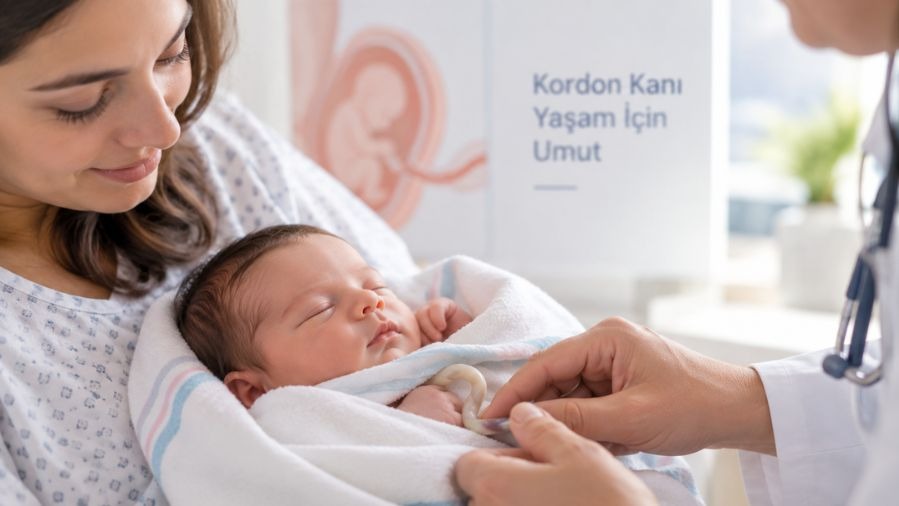
Hematopoietic stem cells can be obtained from bone marrow, peripheral blood, or, under appropriate conditions, umbilical cord blood. The stem cell source and transplantation method are determined according to the patient’s diagnosis and clinical characteristics.
The aim of bone marrow transplantation is to enable the bone marrow, which is unable to function adequately due to disease or previous treatments, to resume the production of healthy blood cells. In certain diseases, transplantation may also help rebuild a dysfunctional immune and blood-forming system using healthy stem cells.
Bone marrow transplantation in children is not used solely for the treatment of cancer. It may also be an important part of treatment for certain blood disorders, immune system diseases, and hereditary conditions.
Depending on the patient's clinical characteristics and the risk category of the disease, bone marrow transplantation may be considered as a treatment option for:
Not every child diagnosed with leukemia or cancer requires bone marrow transplantation. The decision to proceed with transplantation is made following a multidisciplinary board evaluation that considers the type of disease, genetic and molecular characteristics, response to treatment, risk of recurrence, and the patient's overall clinical condition.
Bone marrow transplantation may also be performed for certain non-malignant hematological diseases, including:
Hematopoietic stem cell transplantation may be a treatment option for certain primary immunodeficiency (PID) disorders caused by congenital genetic abnormalities of the immune system.
In severe immune system disorders, particularly severe combined immunodeficiency (SCID), early diagnosis and transplantation performed at the appropriate time are of great importance in the treatment process.
Hematopoietic stem cell transplantation may also be considered for certain inherited metabolic disorders. The decision to perform transplantation is made jointly by the relevant medical specialties based on the type and progression of the disease and the patient's clinical condition.
Bone marrow transplantation is classified into different types according to the source of the stem cells.
In allogeneic stem cell transplantation, stem cells are obtained from another individual with compatible tissue typing. The donor may be a sibling, another family member, or, when appropriate, an unrelated donor.
The evaluation of tissue compatibility between the patient and the donor is an important part of the allogeneic transplantation process.
In autologous stem cell transplantation, the patient's own stem cells are used. The stem cells are collected and stored at an appropriate time and are later reinfused into the patient following the necessary treatment.
This method may be considered for certain hematological and oncological diseases depending on the characteristics of the condition.
For certain patients who do not have a fully matched donor, haploidentical transplantation, in which stem cells are obtained from a partially matched family donor, may be an option.
The most appropriate transplantation method is determined by evaluating the patient's disease, tissue compatibility, available donor options, and overall clinical condition.
One of the most important stages of allogeneic bone marrow transplantation is identifying a suitable donor.
HLA (Human Leukocyte Antigen) compatibility is evaluated between the patient and potential donors. A compatible sibling or family donor may be investigated first. When necessary, unrelated donor options may also be considered.
The Tissue Typing Laboratory at LÖSANTE Hospital has the necessary infrastructure to support the evaluation of tissue compatibility required throughout the stem cell transplantation process.
Bone marrow transplantation refers not only to the day the transplant is performed but also to a comprehensive and long-term treatment process involving preparation before transplantation and close follow-up afterward.
Before the decision to proceed with transplantation, the patient's overall health condition is thoroughly assessed. In addition to the characteristics of the disease, cardiac, pulmonary, renal, and hepatic functions, infection status, and other clinical parameters are evaluated.
For patients scheduled to undergo allogeneic transplantation, tissue typing tests are performed to identify a suitable donor. The donor's health status and suitability for stem cell donation are also assessed.
Before transplantation, a conditioning treatment may be administered depending on the characteristics of the disease and the type of transplantation planned. Chemotherapy and, in certain cases, other treatment methods may be used during this process.
The purpose of the conditioning regimen may vary depending on the patient's disease, the type of transplantation, and the overall clinical condition.
The collected hematopoietic stem cells are administered to the patient intravenously. The stem cells are then expected to migrate to the bone marrow, where they begin producing new blood cells.
The process by which transplanted stem cells settle in the bone marrow and begin producing sufficient blood cells is called engraftment.
During this period, patients are closely monitored for infections, bleeding, organ function, and other transplantation-related complications.
Following transplantation, the immune system may require time to rebuild. Therefore, children need to be protected from infections and monitored regularly.
In allogeneic transplantations, early detection of transplantation-related complications, particularly graft-versus-host disease (GVHD), is essential.
During the post-transplant follow-up period, the following are regularly evaluated:
Long-term follow-up is important not only for monitoring the disease but also for supporting the child's growth, development, and quality of life.
Stem cell transplantation in children is a comprehensive process that requires close collaboration among multiple medical specialties.
At the LÖSANTE Hospital Pediatric Bone Marrow Transplantation Center, patients are evaluated, according to their individual needs, through collaboration among Pediatric Hematology and Oncology, Pediatric Immunology, Infectious Diseases, Tissue Typing and Transplantation Immunology, Intensive Care, Radiology, Laboratory Services, Nutrition and Dietetics, Psychology, and other relevant specialties.
In addition to the child's medical needs, nutrition, growth and development, and psychosocial needs are also considered throughout the treatment process as part of a comprehensive and holistic approach to care.
The 16-bed Pediatric Bone Marrow Transplantation (BMT) Center at LÖSANTE Hospital has the infrastructure required to support the pre-transplant evaluation, transplantation, and post-transplant follow-up of children requiring hematopoietic stem cell transplantation.
The Center aims to provide pediatric patients with care under controlled clinical conditions designed to help protect them from infections, ensure that the necessary laboratory investigations are performed, and manage the transplantation process through a multidisciplinary approach.
The Hospital's Tissue Typing Laboratory contributes to the evaluation of tissue compatibility between donors and recipients, while the relevant laboratory and clinical units work collaboratively throughout the different stages of care, from pre-transplant preparation to long-term follow-up.
In diseases requiring bone marrow transplantation during childhood, accurate diagnosis, appropriate patient and donor selection, transplantation at the right time, and close post-transplant follow-up are among the fundamental components of the treatment process.
The LÖSANTE Medical Editorial Board has contributed to the development of this content. All content published on this website is provided for general informational purposes only. It should not be considered a substitute for individual medical evaluation, diagnosis, or treatment. Please consult a doctor for the evaluation, diagnosis, and treatment of your symptoms. If you have any questions regarding this content, please contact us at losante@losante.com.tr and include the title and URL of the relevant article or page.